
Metal 3D Printer
Produce complex metal components with lower tooling costs, faster prototyping, and flexible production.
Metal Printer
Industrial Metal Printing Made Accessible
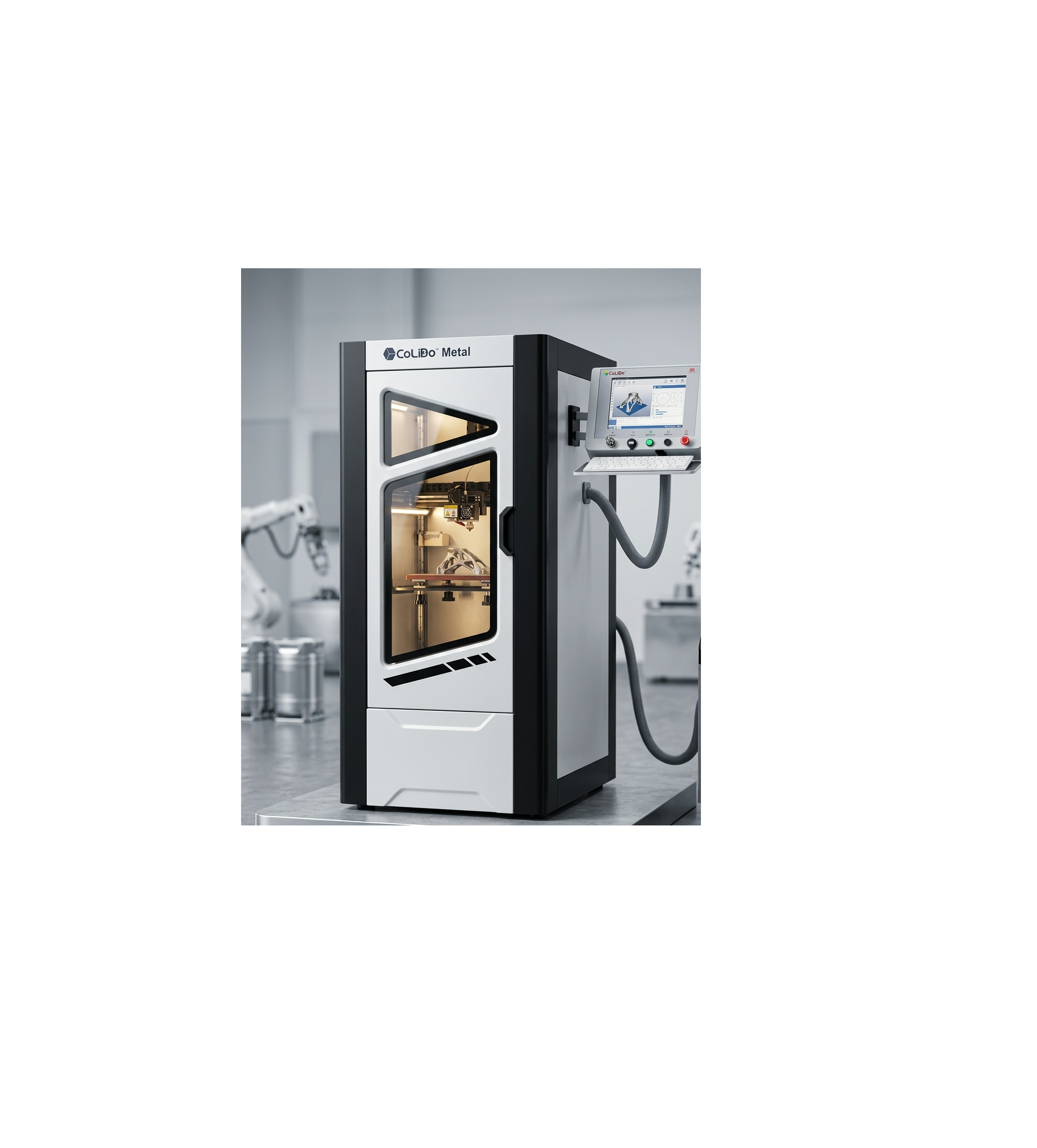
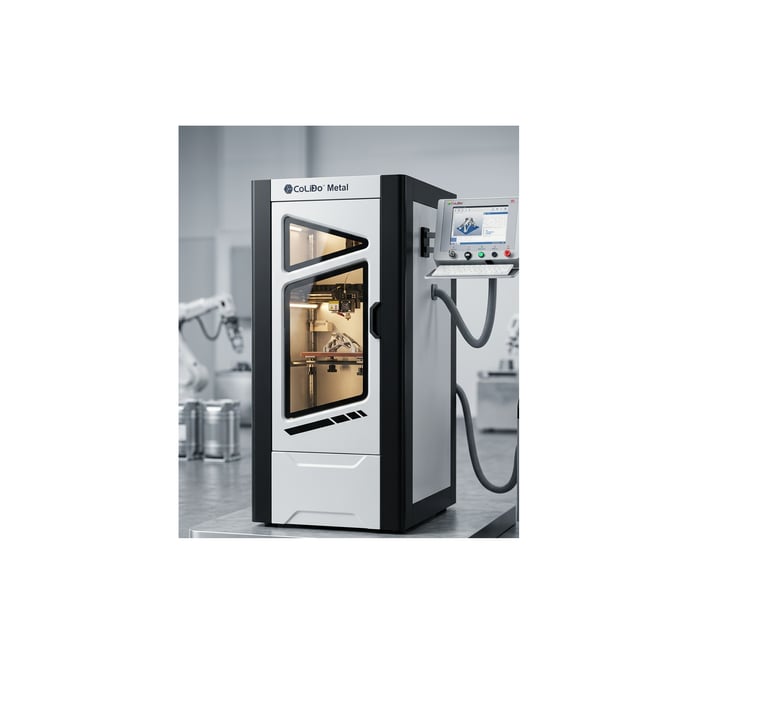
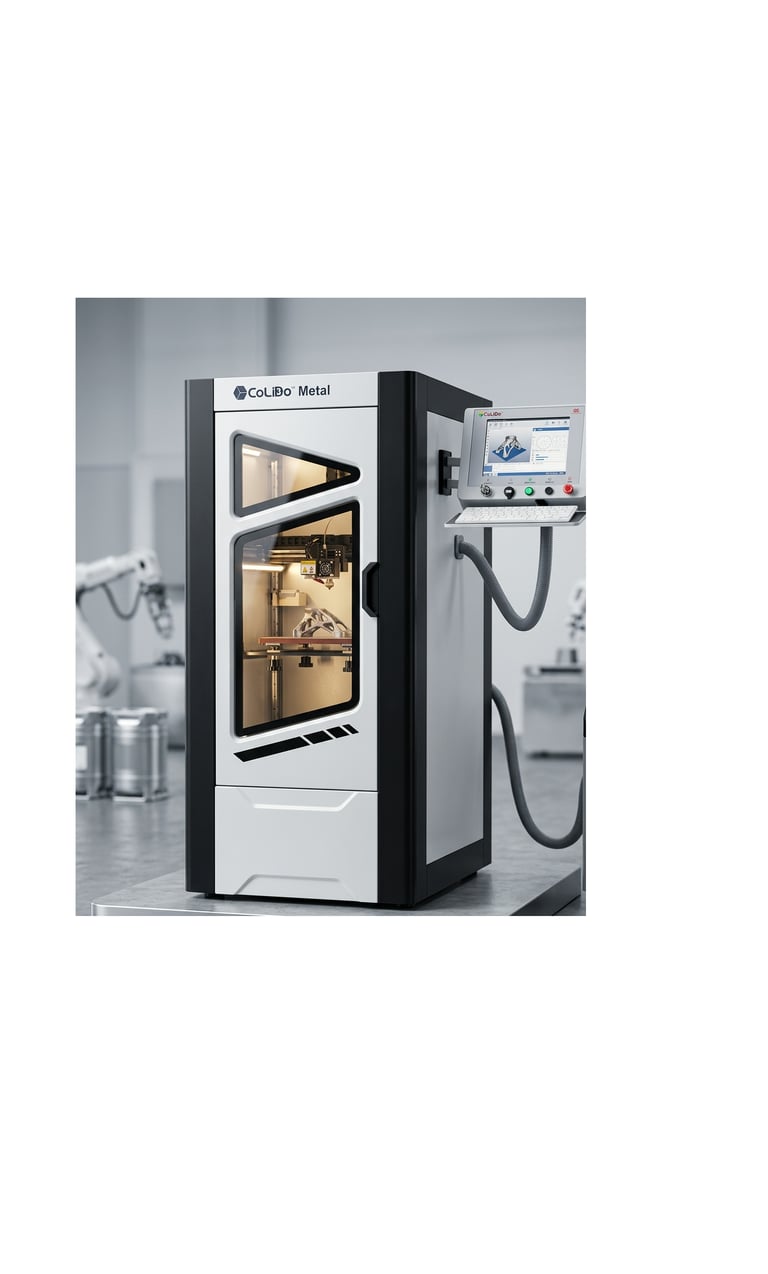
CoLiDo Metal 3D Printer delivers stable and precise metal part printing with reliable extrusion and consistent layer quality, producing high-quality green parts as the first step of a standard metal additive manufacturing process.
Each part is designed for downstream debinding and sintering to achieve final metal components, supporting both prototyping and small-batch production.
Recognized with a Gold Medal at the Geneva International Exhibition of Inventions, CoLiDo reflects strong innovation and engineering excellence in metal 3D printing.
Key Steps in Metal 3D Printing
From Metal Feedstock to Functional Parts
CoLiDo Metal uses a filament-based metal additive manufacturing process that transforms metal feedstock into fully dense functional components through printing, debinding, and sintering. This streamlined workflow combines design flexibility with reliable metal part production.
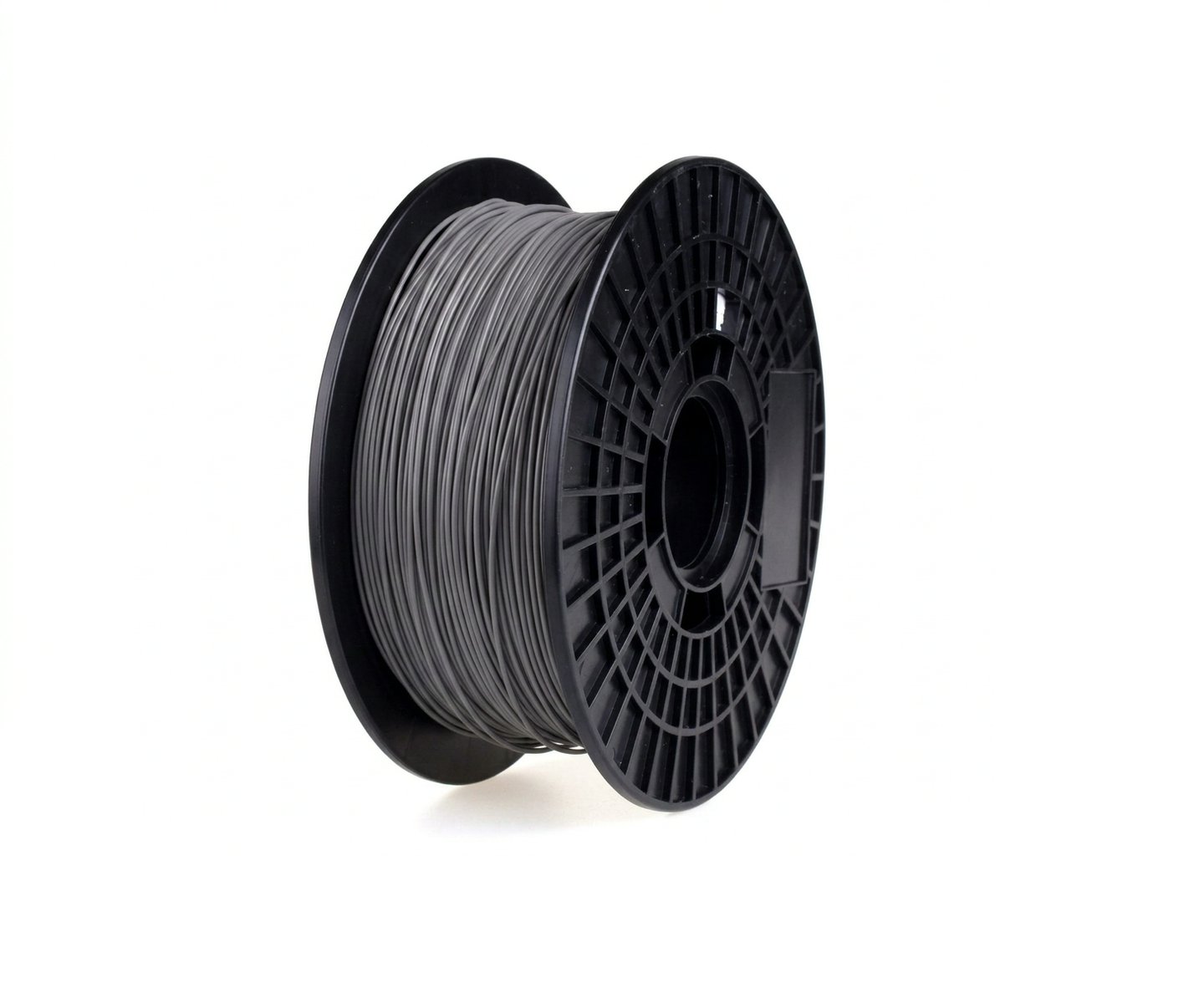
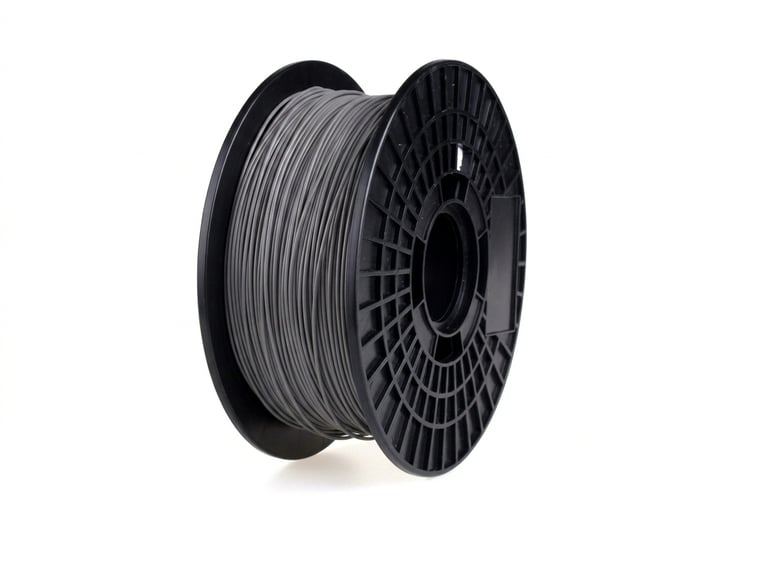
01 Metal Filament Preparation
Metal powder is combined with a polymer binder and extruded into high-quality metal filament, providing a safe, stable, and easy-to-handle feedstock for printing.
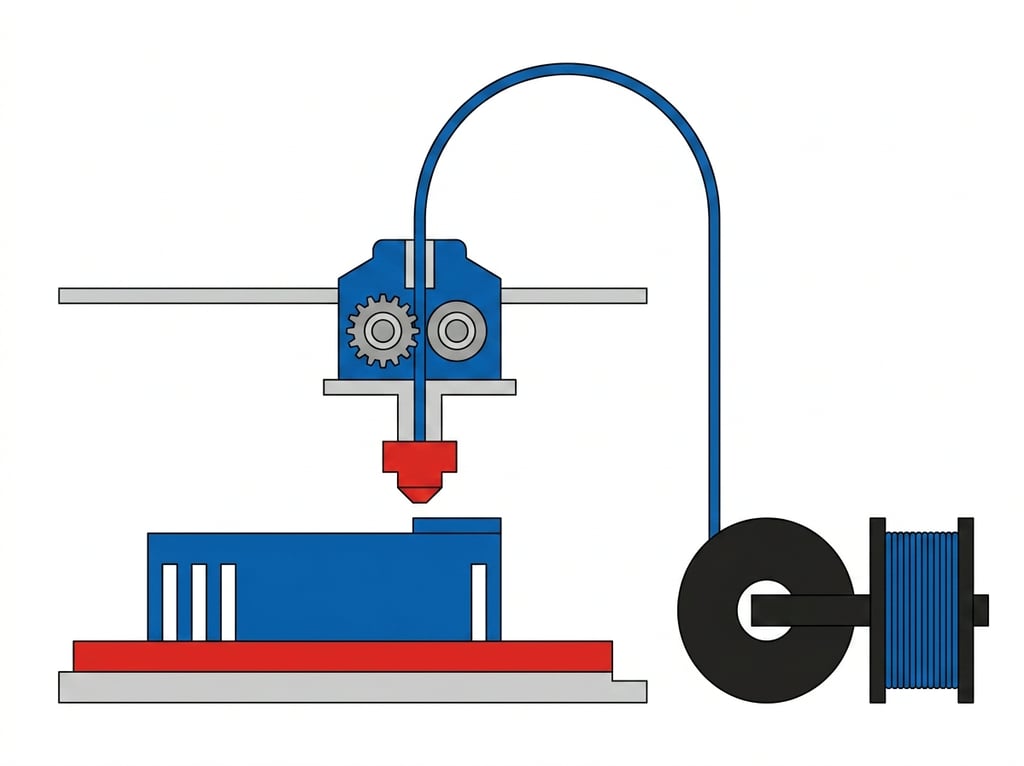
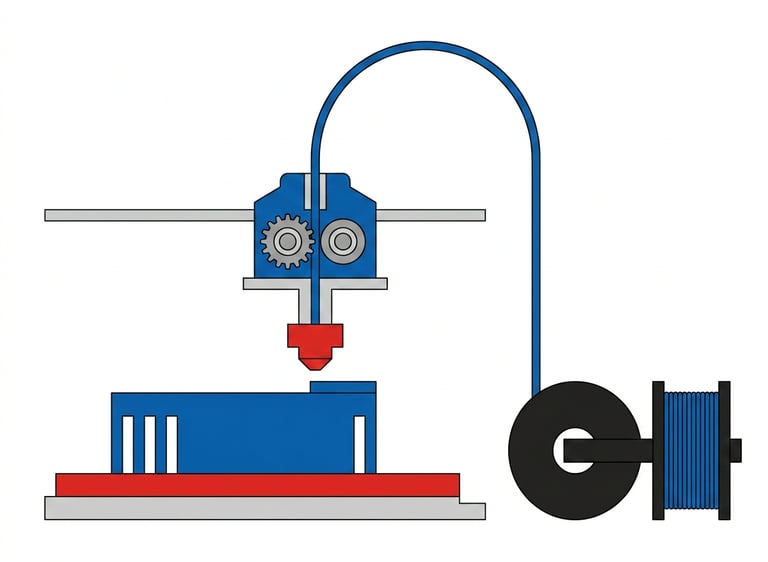
02 Green Part Printing
The metal filament is heated and deposited layer by layer using the CoLiDo Metal 3D Printer, creating a precise "green part" that accurately reflects the final design geometry..
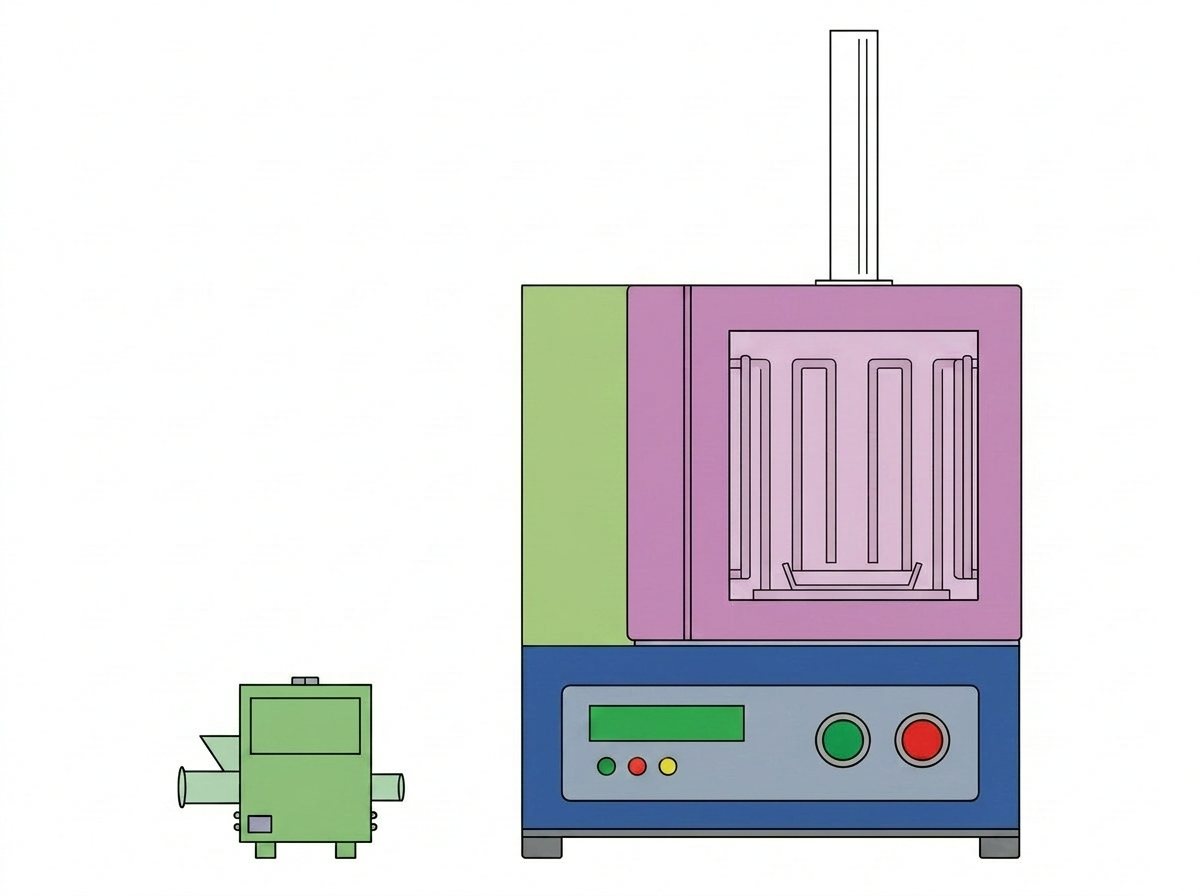
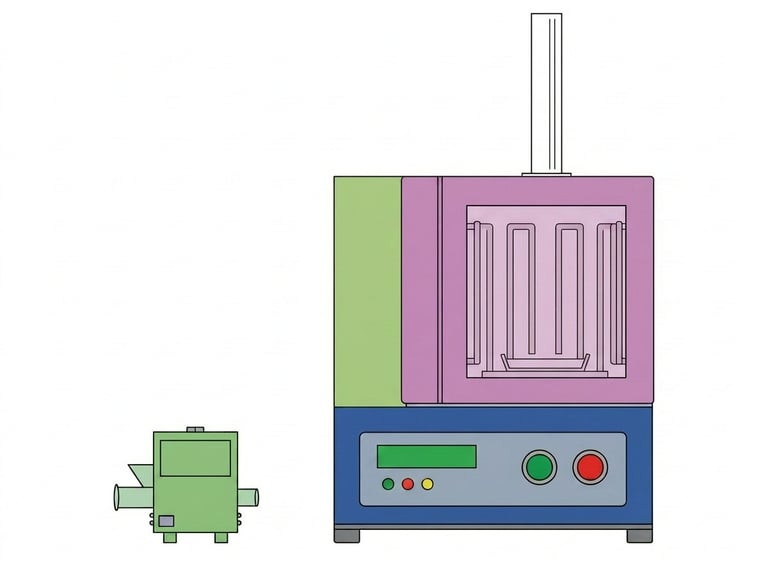
03 Debinding Process
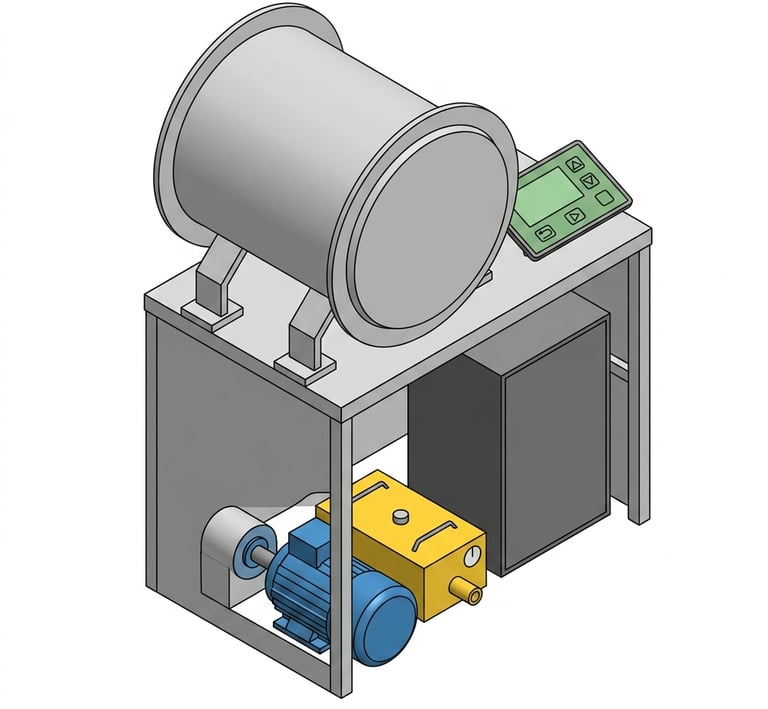
The binder is removed through a controlled debinding process, leaving behind a porous metal structure known as a "brown part" that is ready for densification.
04 High-Temperature Sintering
The debound part is sintered at high temperatures, allowing metal particles to fuse together and form a dense, strong, and functional metal component.
→
→
AMSS Technology
Advanced Metal Printing, Simplified
AMSS combines filament-based metal additive manufacturing with intelligent process control, providing a safer, more accessible, and cost-effective approach to producing functional metal parts.
PATENTED PROCESS
Proprietary AMSS Technology
Simplified metal printing through extrusion, debinding, and sintering.
QUALIFIED MATERIALS
Engineered Metal Filaments
Validated materials for stable printing and reliable results.
SMART MONITORING
Intelligent Material Detection
Automatic filament monitoring prevents unexpected interruptions.
SELF-CLEANING SYSTEM
Continuous Extrusion Stability
Reduces clogging and maintains smooth material flow.
THERMAL CONTROL
Fully Enclosed Heated Chamber
Improves print consistency and layer bonding.
INDUSTRIAL RELIABILITY
Consistent Production Performance
Designed for dependable and repeatable metal part production.
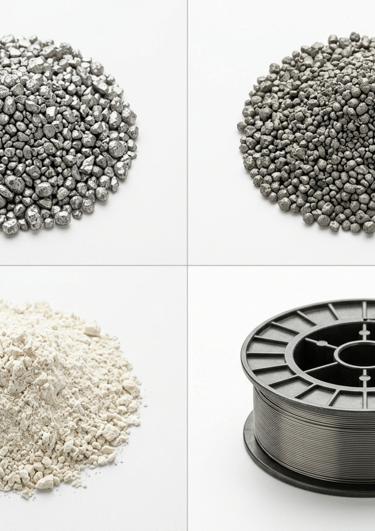
Support for Diverse Material Requirements
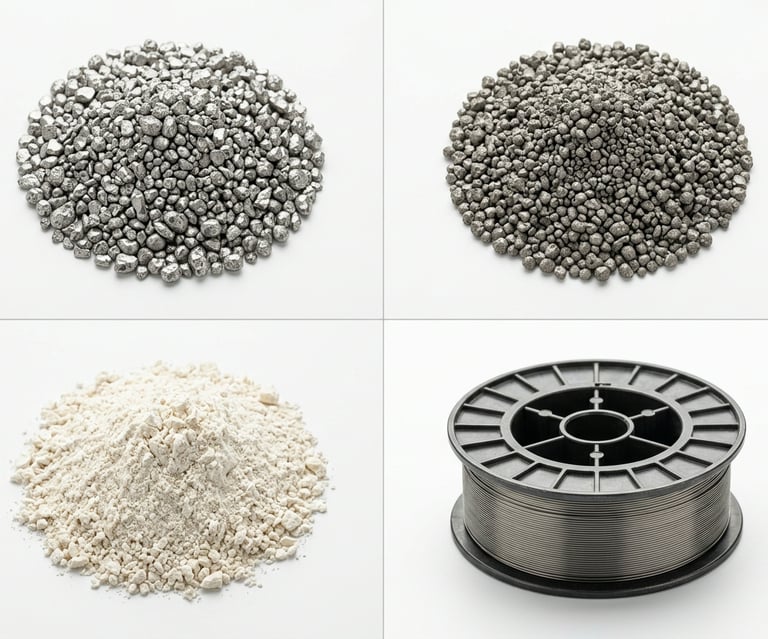
The platform is compatible with a variety of metal materials, including stainless steel, tool steel, aluminum alloys, titanium alloys, and other MIM-based feedstocks. After debinding and sintering, parts can achieve over 97% metal content, delivering excellent mechanical performance and functional properties.
Supported Materials
Stainless Steel
Tool Steel
Aluminum Alloy
Titanium Alloy
Ceramic Materials
Custom Formulations
Broad Material Compatibility
FAQs
What is metal 3D printing?
It’s layering metal powders to build objects from a digital model.
Which metals can be printed?
Common metals include stainless steel, titanium, aluminum, and cobalt-chrome alloys.
Is metal 3D printing durable?
Yes, parts often match or exceed traditional manufacturing strength and are great for complex designs.
How fast is the process?
It depends on size and complexity but usually takes hours to days.
Can I customize my orders?
Absolutely, every piece can be tailored to your specifications and design.
What post-processing is required?
Parts often need heat treatment, surface finishing, and sometimes machining for precision fit.
Not Sure Which 3D Printer Fits Your Needs?
Our team can help you identify the right technology, materials, and equipment for your application.


J Sail 3D Printing
Industrial 3D Printing Without Boundaries.
GLOBAL OPERATIONS
J Sail Global Ltd
Email: info@jsailgroup.com
Tel: +86 156 1890 3912
Shenzhen • Hongkong • Dubai • London • Delware
Copyright (C) 2026 J Sail, all rights reserved.
FOLLOW US